
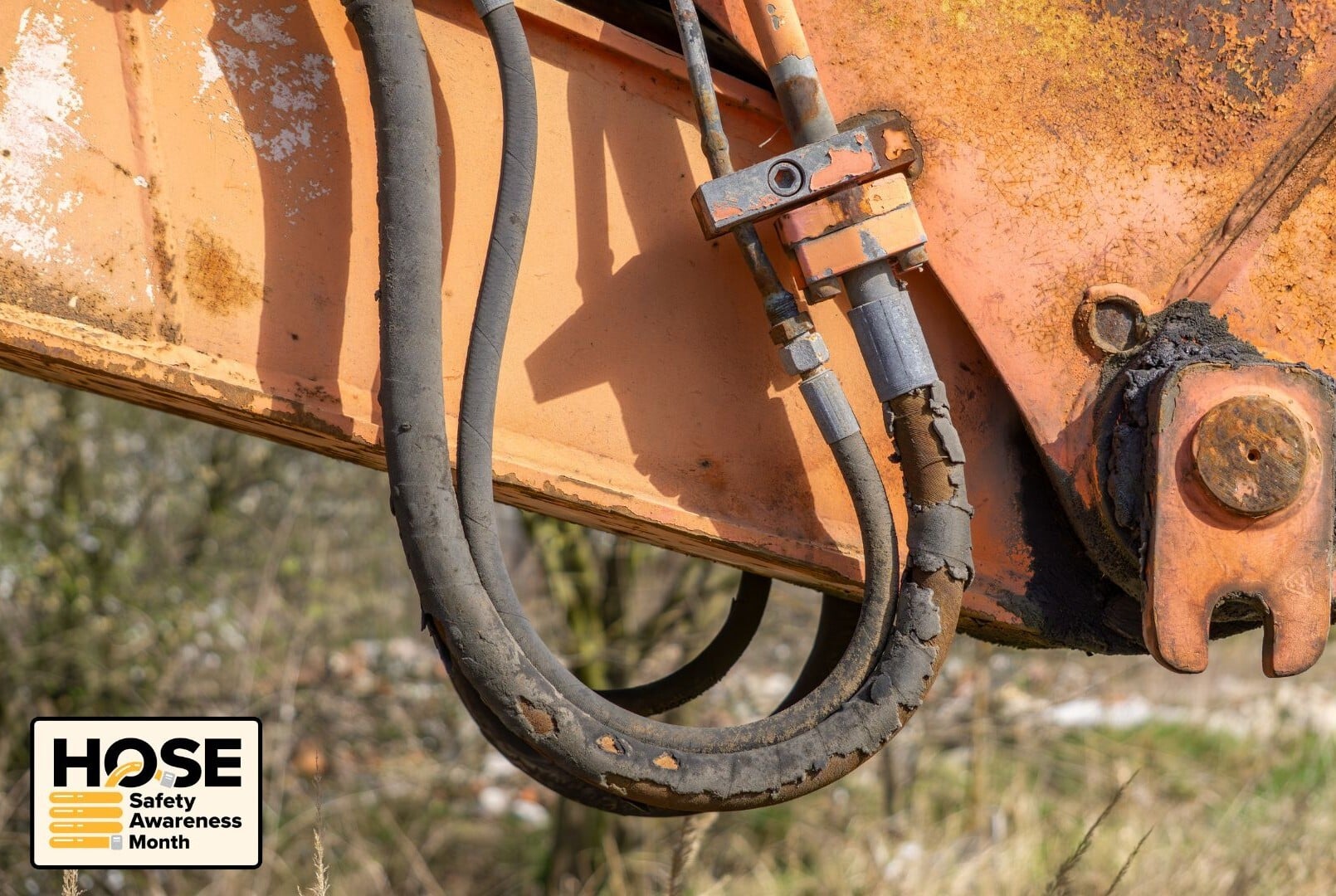
Hydraulic systems generate heat during normal operation, but excessive temperature can shorten hose life dramatically. When a hose is exposed to high ambient temperatures or elevated fluid temperatures for extended periods, the rubber compounds inside the hose can begin to harden, crack, and lose flexibility. As the hose becomes harder, it can no longer flex normally during operation. This makes the hose much more likely to crack when bent or exposed to vibration.
This condition is often referred to as "bake out." Prolonged exposure to excessive heat causes the rubber compounds to lose their elasticity as they oxidize and harden. Once bake out occurs, the hose becomes dry, brittle, and far more susceptible to cracking and premature failure.
Understanding how heat affects hose materials and how to control it can help prevent unexpected failures and extend the life of both hoses and hydraulic components.
What Happens When a Hose Overheats
Hydraulic hoses are made from elastomer compounds designed to withstand a certain temperature range. When temperatures exceed that range, the material begins to break down at the molecular level.
Heat combined with oxygen causes the rubber to oxidize, which leads to:
- Hardening of the tube or cover
- Loss of flexibility
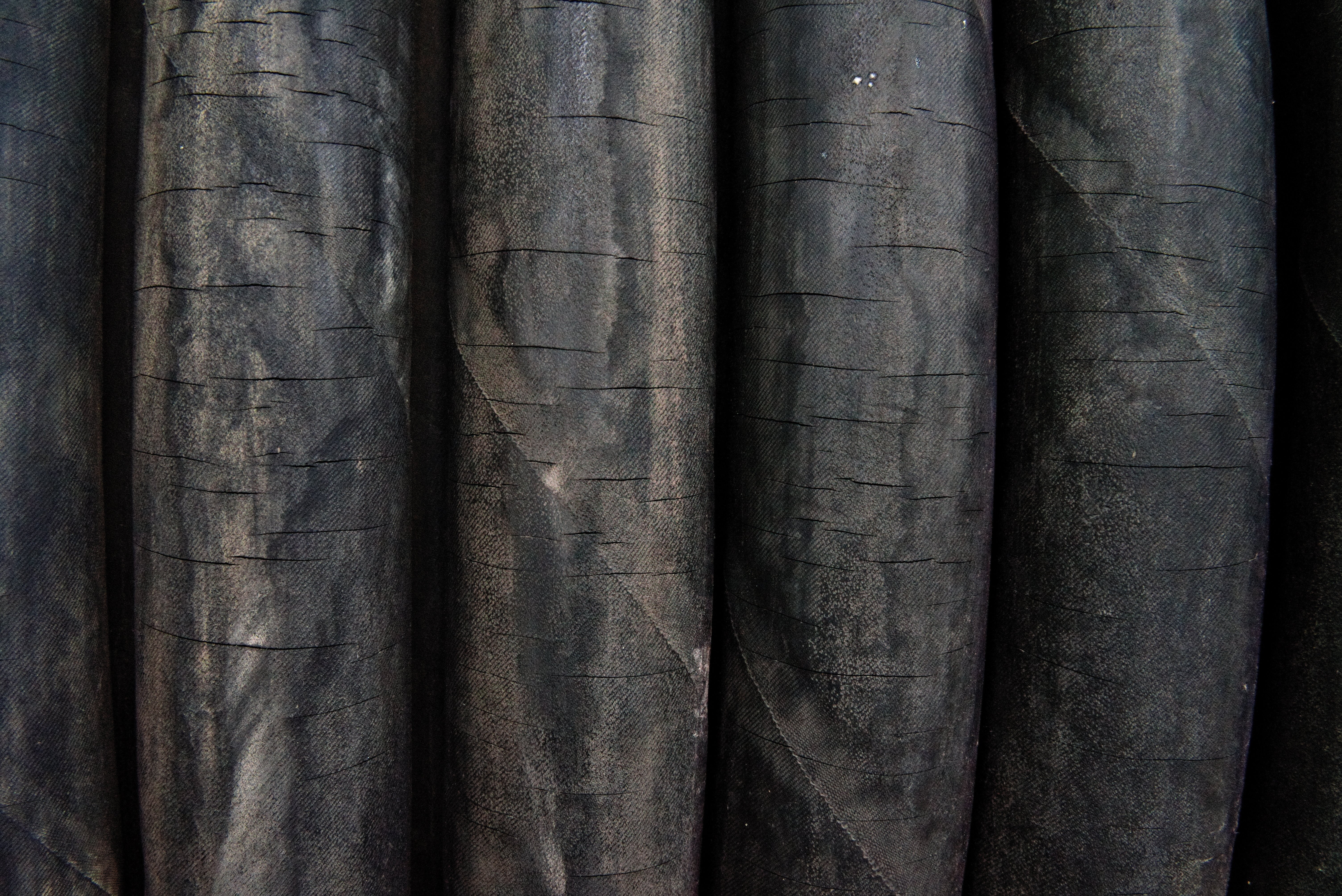
- Surface cracking
- Reduced resistance to pressure and movement
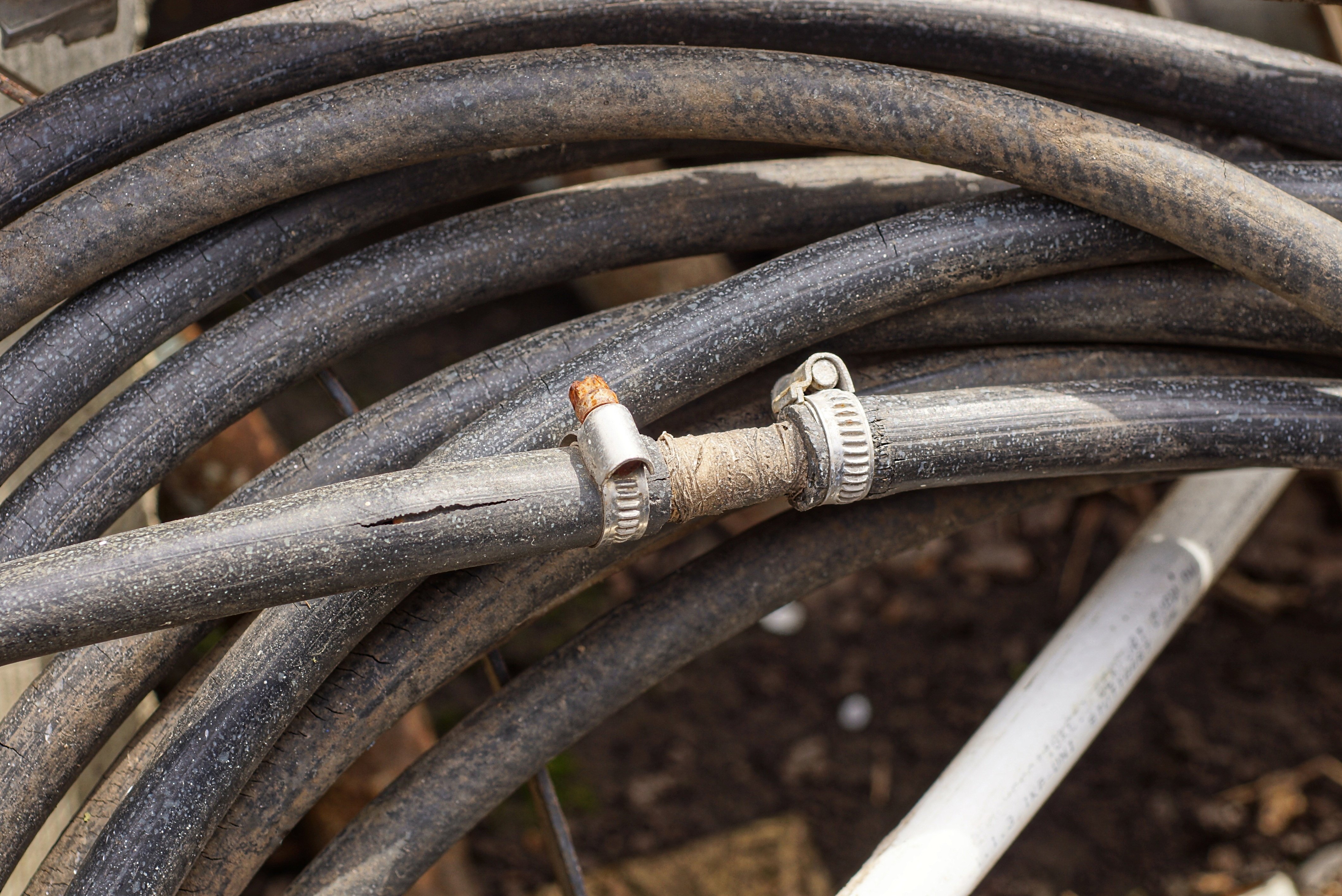
As the hose becomes harder, it can no longer flex normally during operation. This makes the hose much more likely to crack when bent or exposed to vibration.
In many cases, the hose will appear dry, stiff, or brittle before it fails completely.
Common Causes of Heat Damage
Heat-related hose failures often occur when hoses are exposed to conditions beyond their intended design.
Typical causes include:
- High hydraulic fluid temperatures
- Routing near exhaust systems or engines
- Poor ventilation around hydraulic components
- Continuous heavy-duty operation
- Using a hose not rated for the temperature
Even when the pressure is within limits, excessive heat alone can cause the hose to fail.
Warning Signs of Overheating
Signs of heat damage may appear gradually and can often be detected during routine inspection.
Look for:
- Hardened or brittle hose cover
- Cracks when the hose is bent
- Discoloration or glazing on the surface
- Reduced flexibility compared to new hose
If the hose feels rigid instead of flexible, it may already be near the end of its service life.
Preventing Heat-Related Failures
Preventing heat damage starts with proper hose selection and routing.
Route Hoses Away From Heat Sources
Whenever possible, hoses should be installed away from engines, exhaust components, or other high-temperature areas.
If the hose must be routed near heat, insulation or protective sleeving like Aeroquip Firesleeve can help reduce exposure.
Monitor System Temperature
Excessive fluid temperature may indicate a system issue such as:
- Undersized components
- Restricted flow
- Overloaded equipment
- Cooling system problems
Correcting these issues can prevent repeated hose failures.
Select the Right Hose for the Application
Before upgrading to a higher-temperature hose, verify that the hydraulic system is operating within its intended temperature range. Excessive fluid temperatures often point to an underlying issue such as restricted flow, overloaded components, or cooling system problems.
For applications where elevated operating temperatures are a normal part of the job, selecting a hose designed to handle heat can help extend service life and reduce premature failures caused by tube hardening and cracking. The Danfoss Aeroquip EDGE™ Premier Hydraulic Series includes hydraulic hoses engineered for demanding environments with temperature ratings up to 260°F, with select products such as the FC619C EDGE rated up to 275°F continuous operation. The series is designed to help resist heat-related degradation while maintaining the durability and reliability required in demanding hydraulic applications.
FC619C EDGE
Designed for demanding applications where elevated temperatures are expected, the FC619C EDGE offers a continuous operating temperature rating up to 275°F. Its advanced construction helps maintain flexibility and performance in high-heat environments, reducing the risk of hose hardening, cracking, and premature failure caused by prolonged heat exposure.
GH781 EDGE
Built on the trusted GH781 platform, the GH781 EDGE combines proven hydraulic hose performance with the latest EDGE technology enhancements. Improved durability, flexibility, and high-temperature capability help it withstand the heat, pressure, and vibration commonly found in demanding hydraulic systems, making it a reliable choice for a wide range of applications.
Heat Problems Often Start in the System
When a hose becomes hard and cracked from heat, the hose itself is usually not the root cause. The problem often originates from system conditions that generate excessive temperature.
Identifying and correcting the source of the heat as well as regularly checking hydraulic hoses to replace before failure occurs is the best way to prevent repeated failures and keep hydraulic equipment operating reliably.